
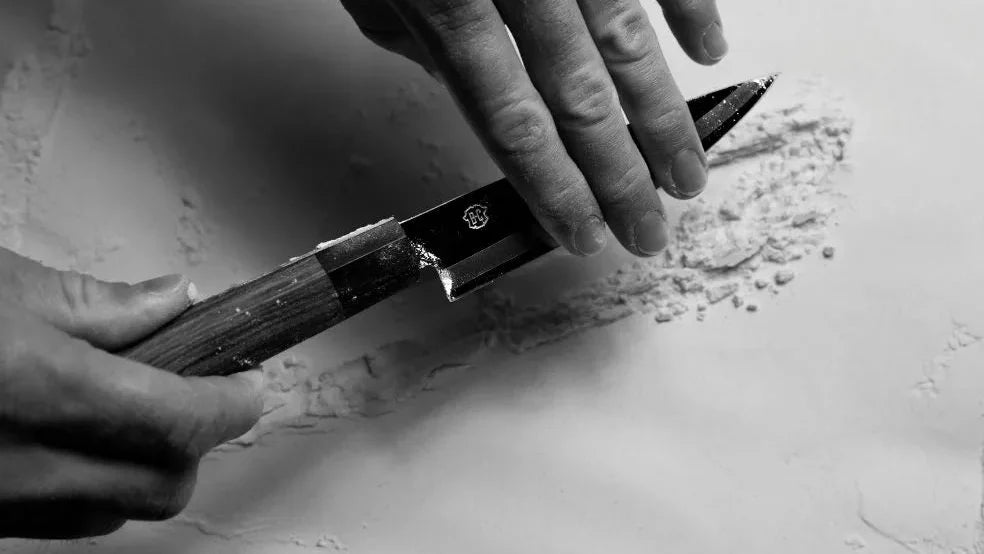
Japanese Knives
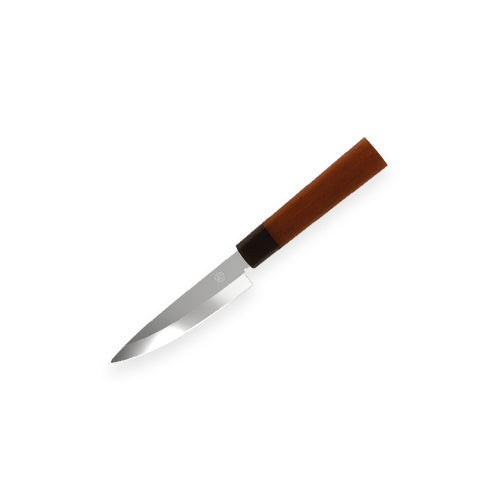
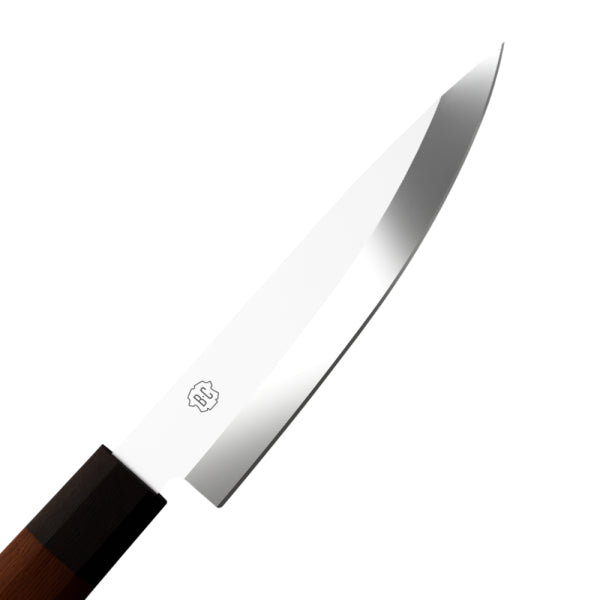
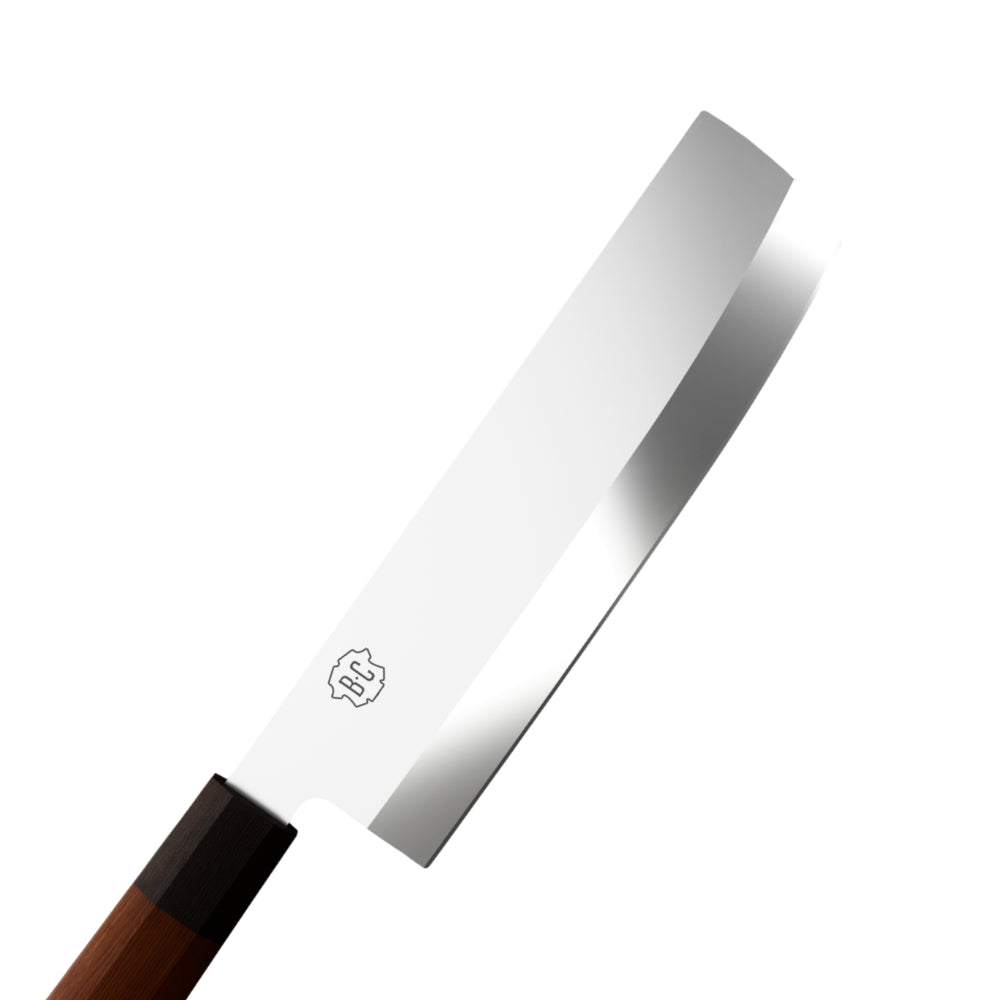
Six Japanese traditional blades in AUS-10 steel. Each knife for a precise gesture.






Why choose them
 AUS-10 steelHigh-carbon Japanese steel: a long-lasting edge and corrosion resistance.
 59–61 HRCA hard, responsive blade for a clean, precise and long-lasting cut.
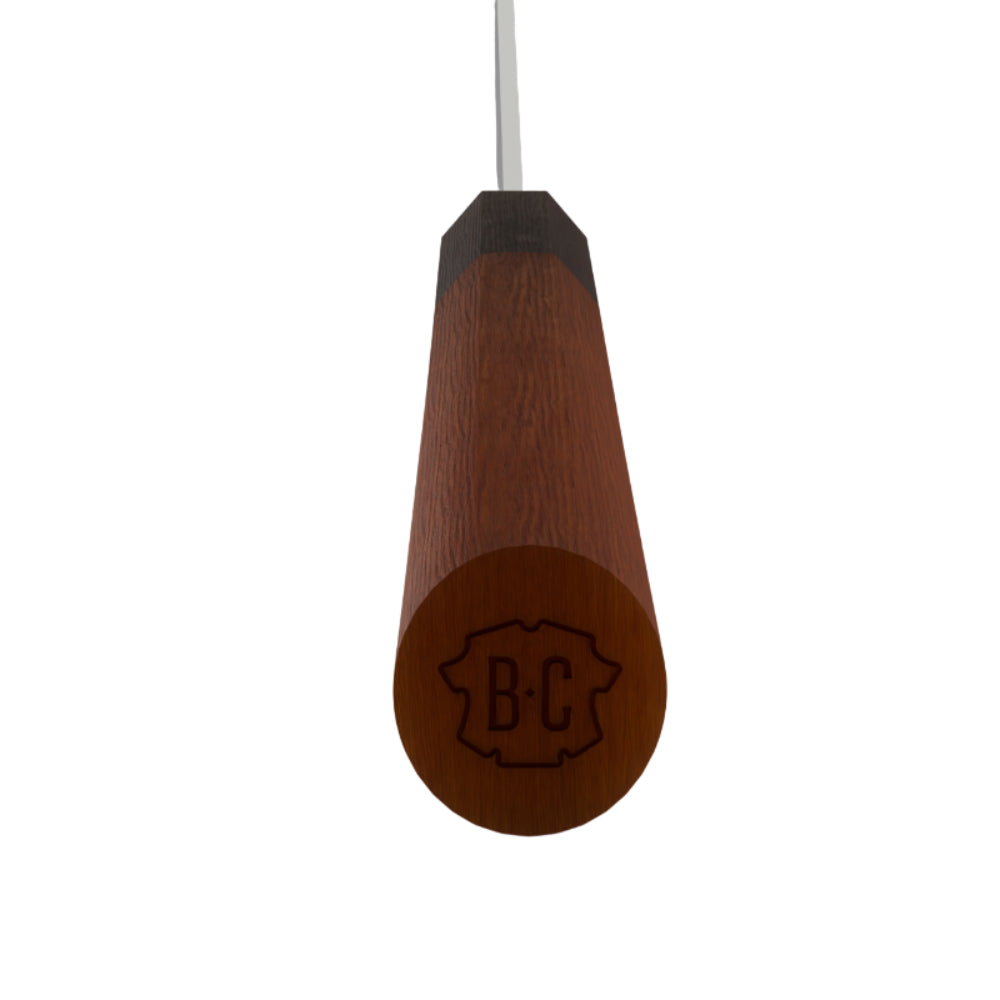
 Ebony and rosewood handleFine woods for a firm grip and balance in the hand, even when wet.
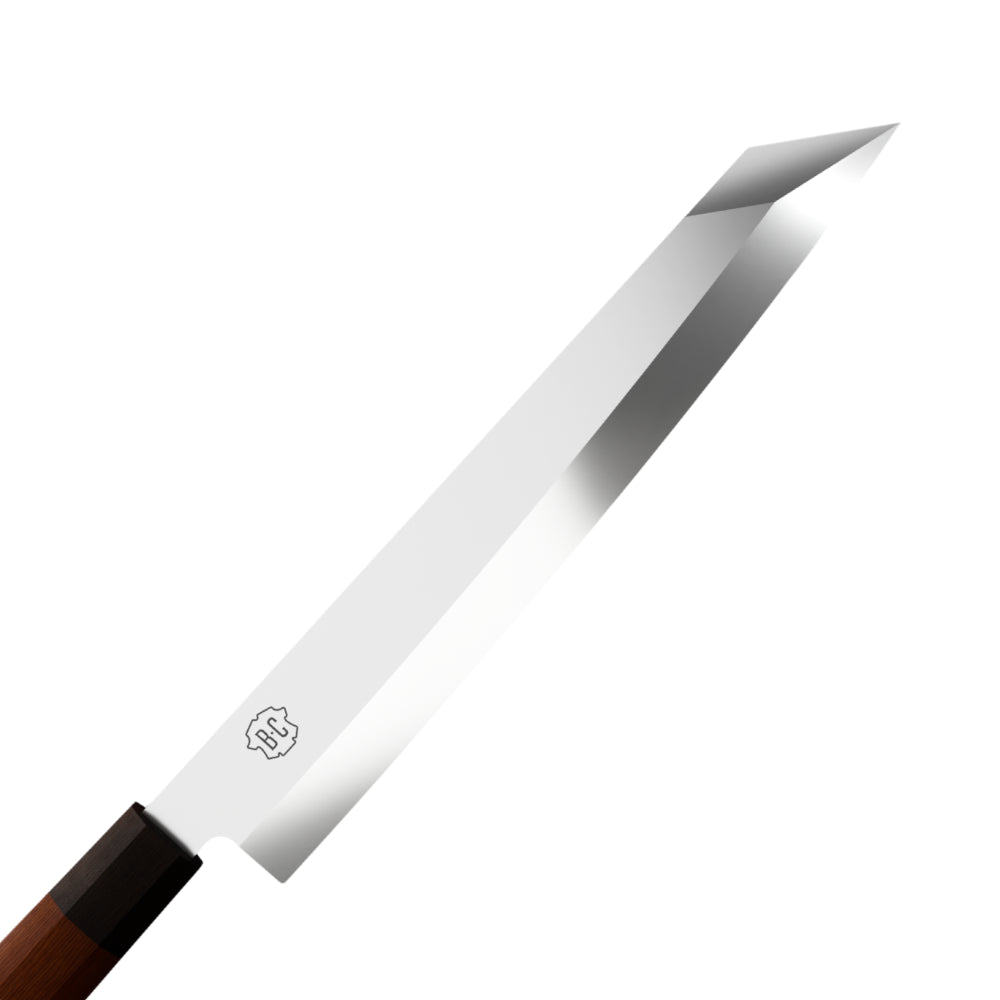
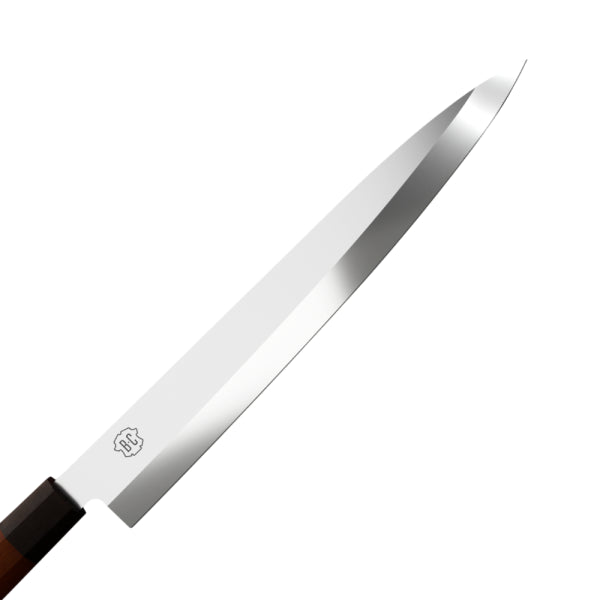
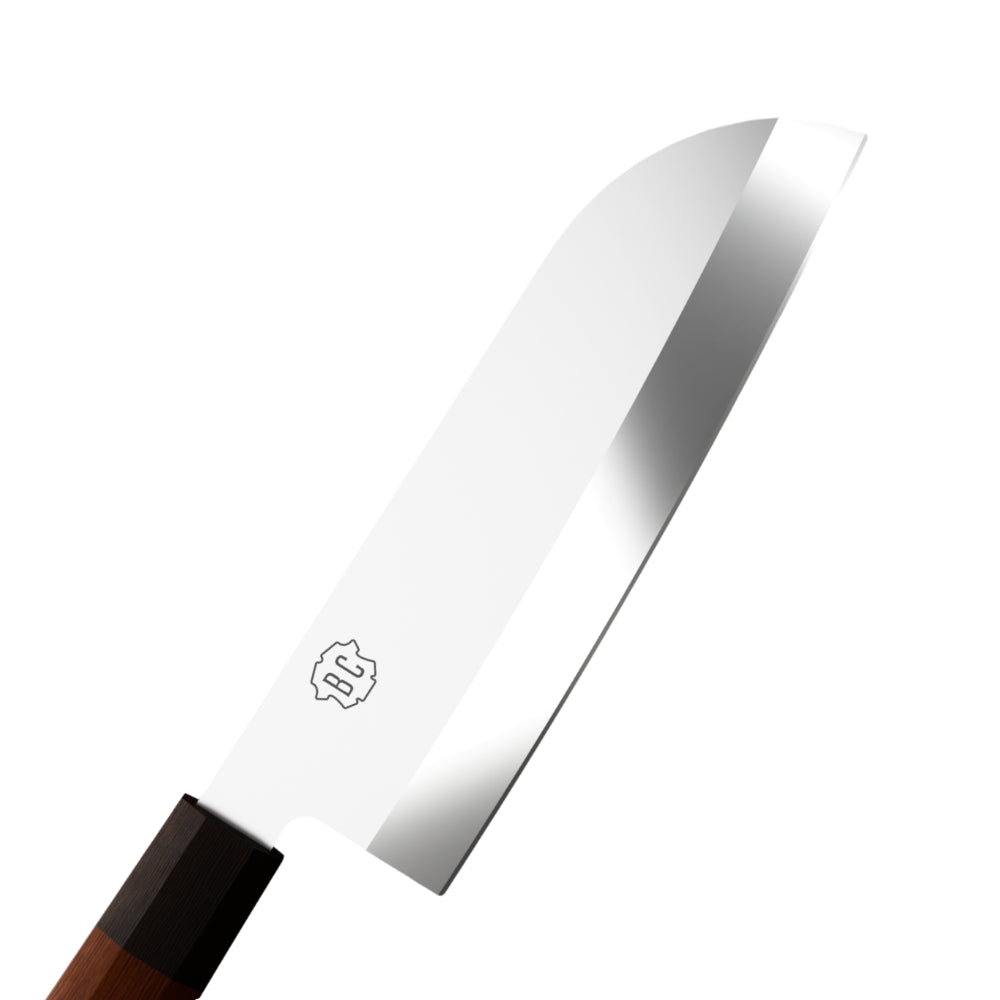
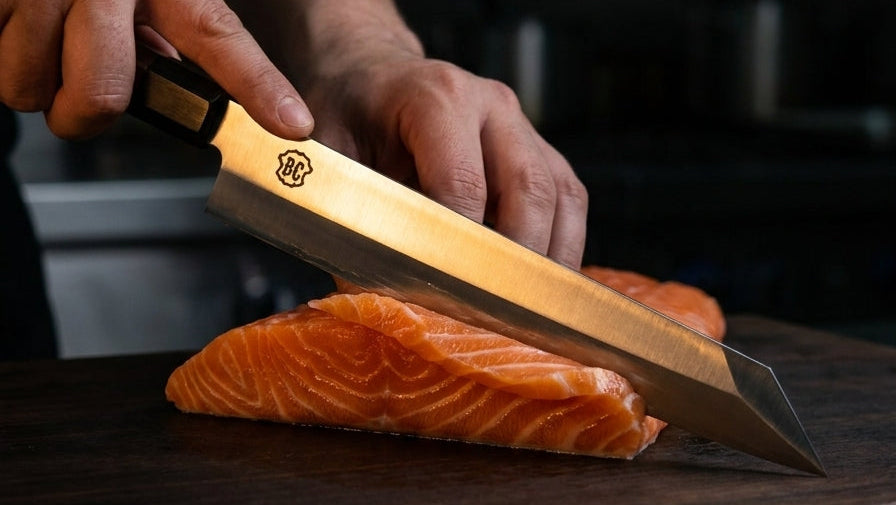
 Six blades, six gesturesFrom the Petty for finishing to the Yanagiba for sashimi: each knife for its technique.


Frequently Asked Questions
What's the difference between a Japanese knife and a classic one?
Japanese knives are designed for specific techniques and more controlled cuts, while classic ones favour versatility and adaptability.
Do the knives arrive already sharpened?
Yes. All Bet Japanese knives are supplied sharpened and ready to use. Regular maintenance keeps their performance.
How do I keep the blade sharp?
Use a honing steel for frequent touch-ups and a Japanese whetstone for periodic sharpening. Avoid aggressive electric sharpeners: AUS-10 steel holds its edge for a long time.
Can Japanese knives be washed in the dishwasher?
No. Dishwashing can damage the blade and materials. Hand washing and immediate drying are recommended to prevent oxidation or staining.
How should Japanese knives be stored?
It's best to use magnetic bars, sheaths or blocks that protect the blade and preserve its edge.
What cutting board can I use them on?
Wood or plastic only. Never glass, marble, ceramic or steel: hard surfaces ruin the edge.
Can the blade rust?
Japanese AUS-10 steel is high-grade stainless and very resistant. To keep it at its best, always dry the blade after use.
Can I cut bones or frozen food?
No. These are thin precision-cutting blades: bones, joints and frozen food can chip the edge. Use a dedicated cleaver.
Is the Yanagiba suitable for left-handed users?
The Yanagiba has a single-bevel edge in the right-handed version. Left-handers need a dedicated grind.
