


Iron pans
The iron that doesn't ask you to be an expert. Italian, a lifetime of cooking.
Free shipping on the whole catalogue, no minimum, no code. Until 31 October.


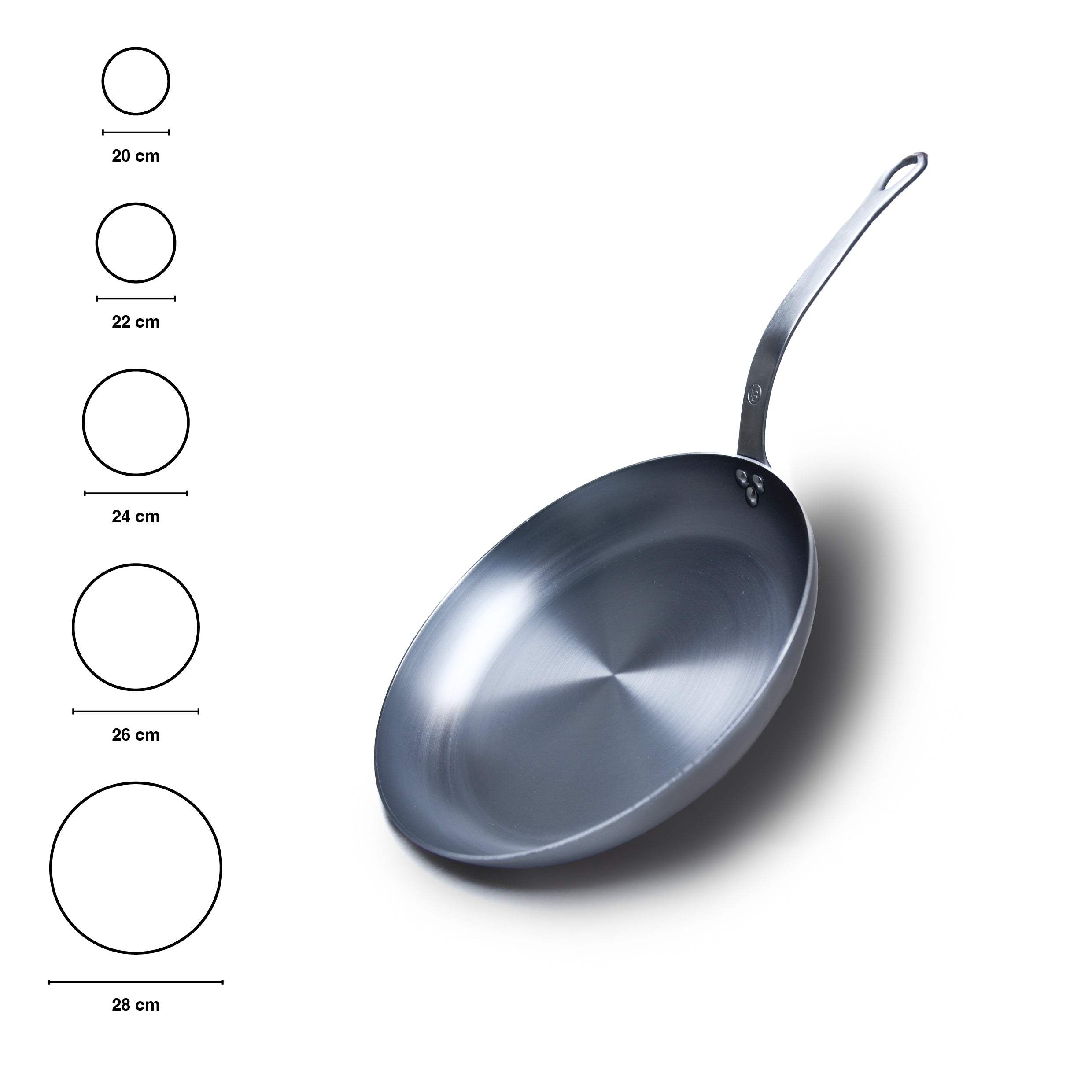
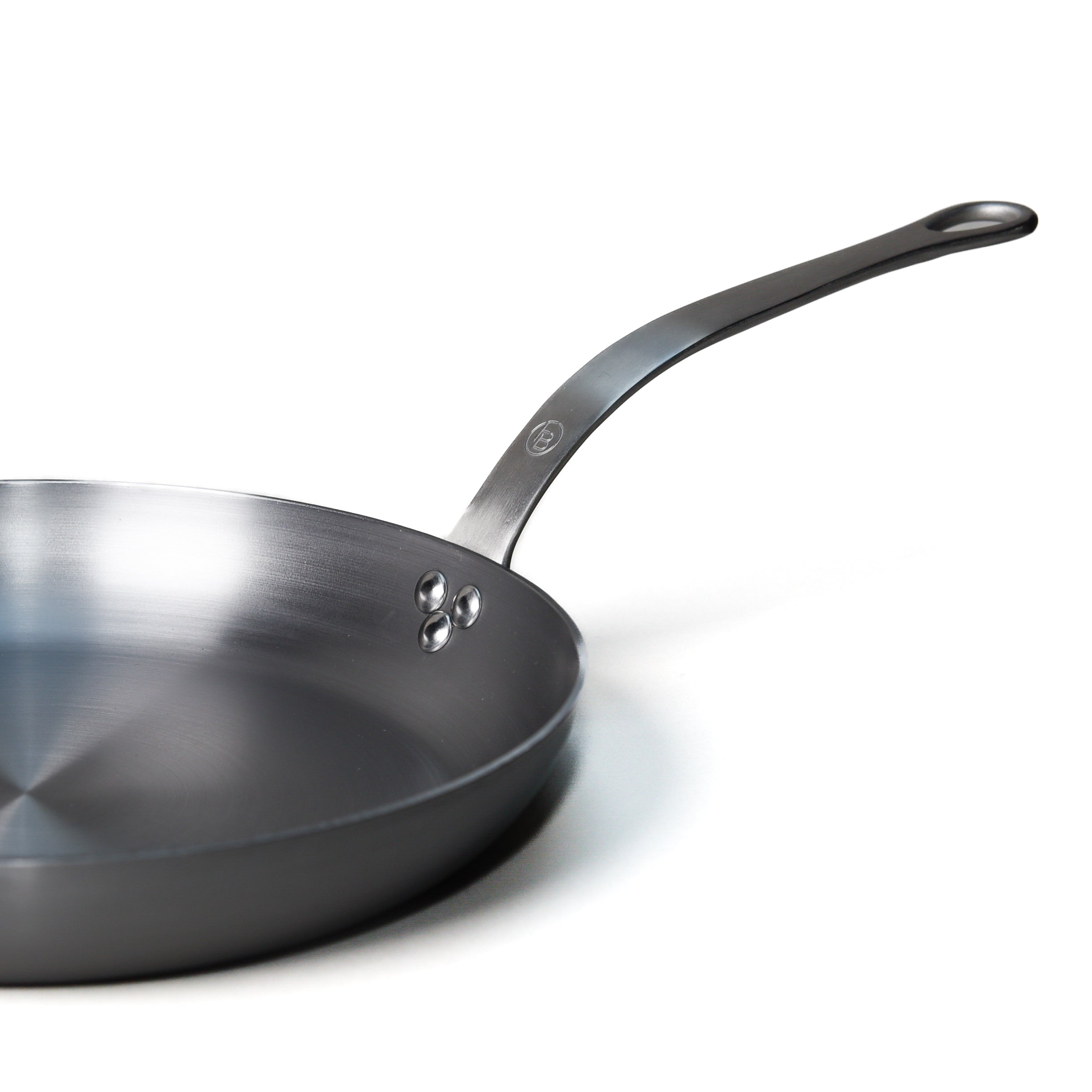

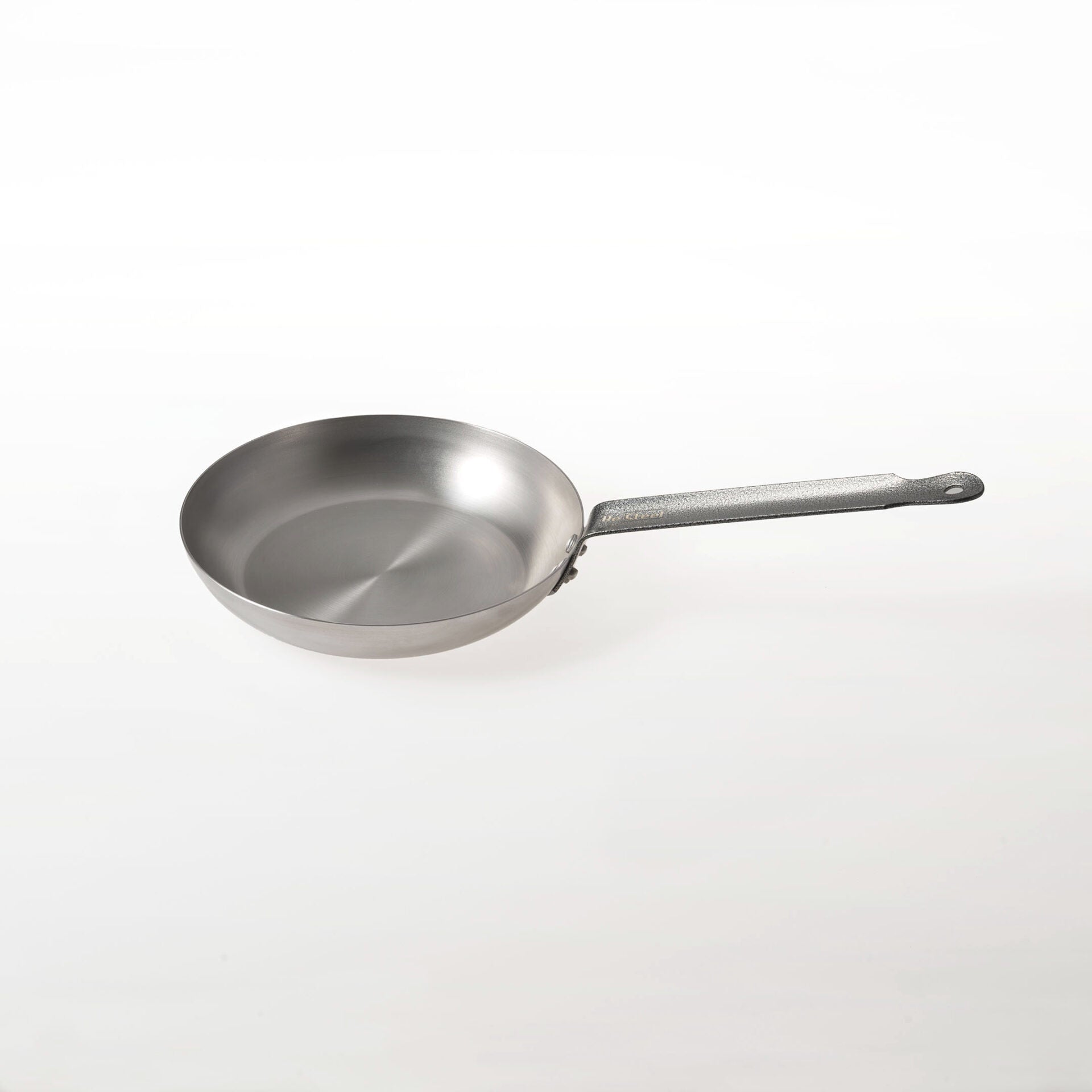
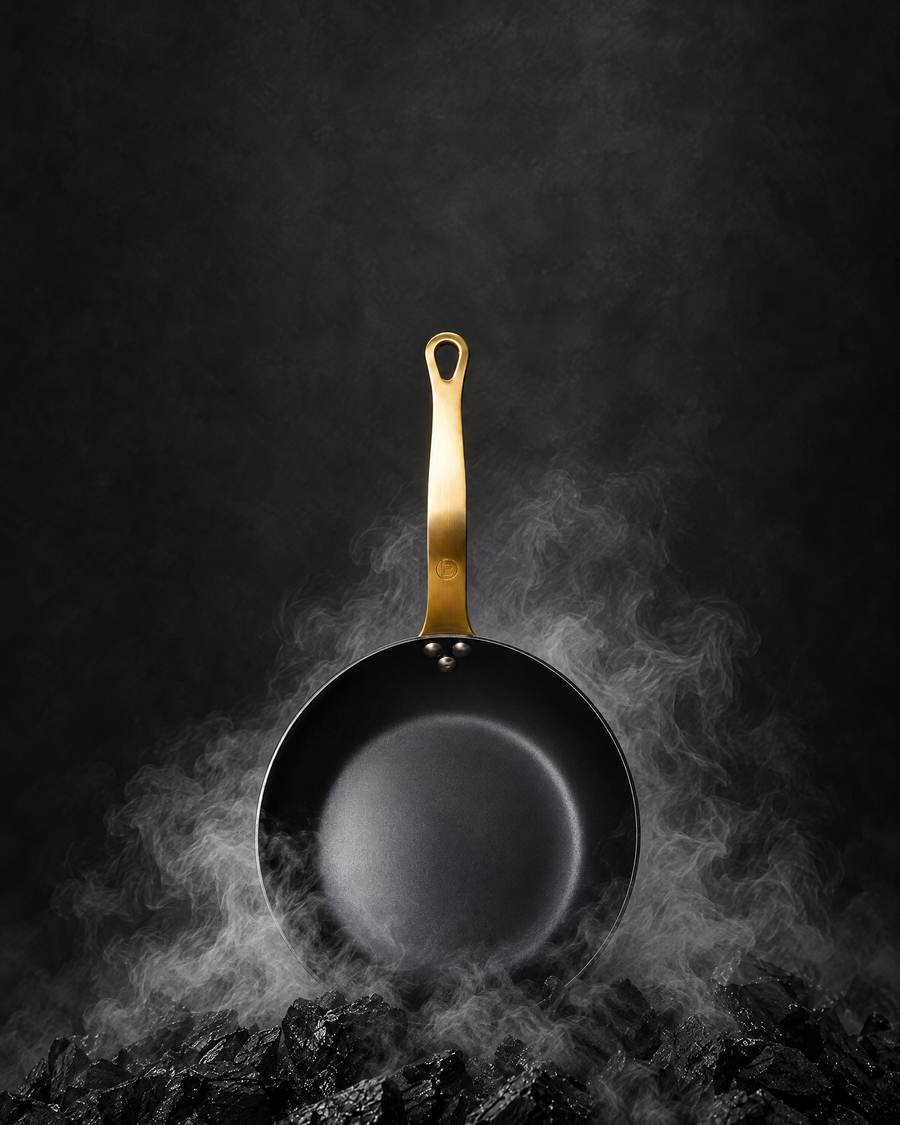

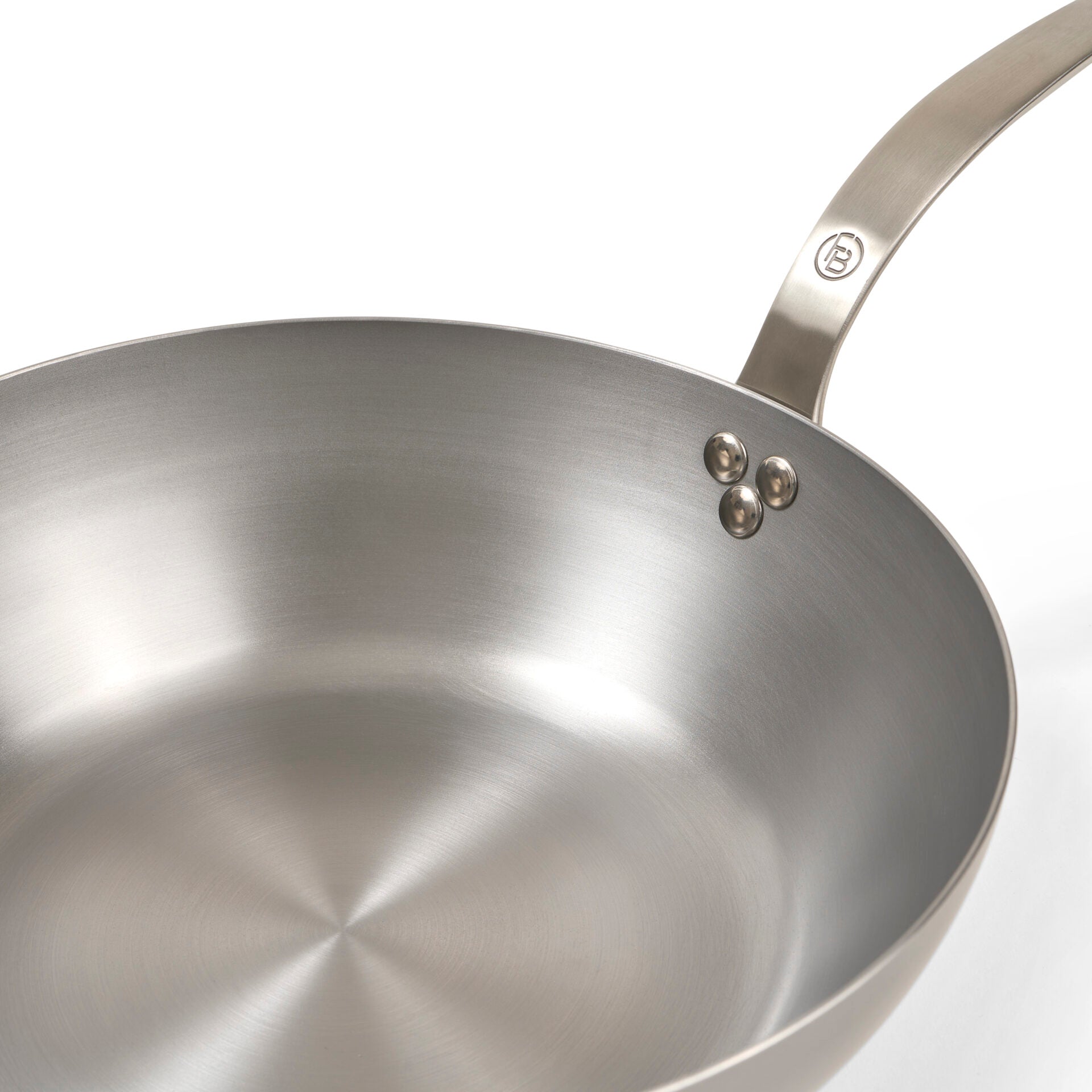
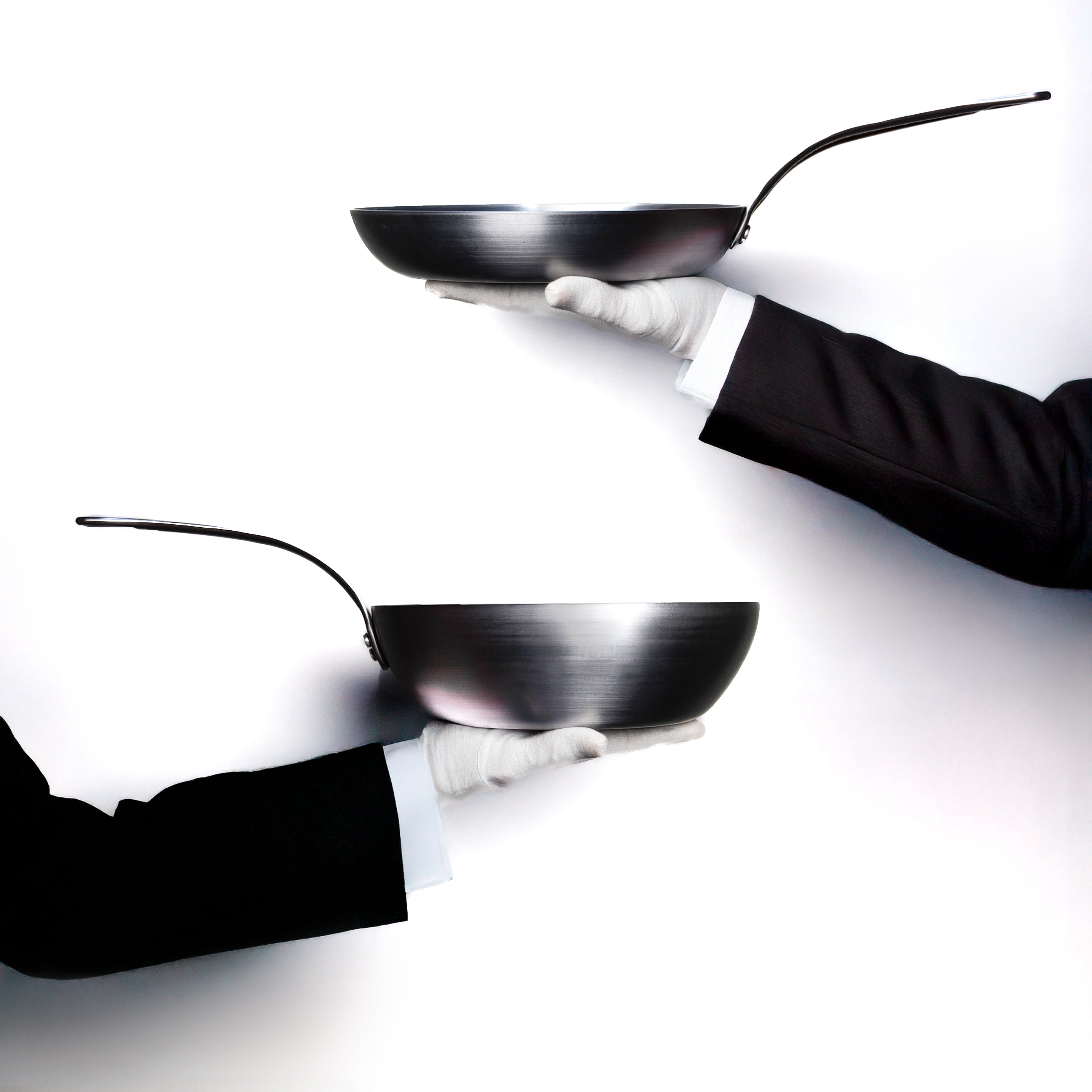
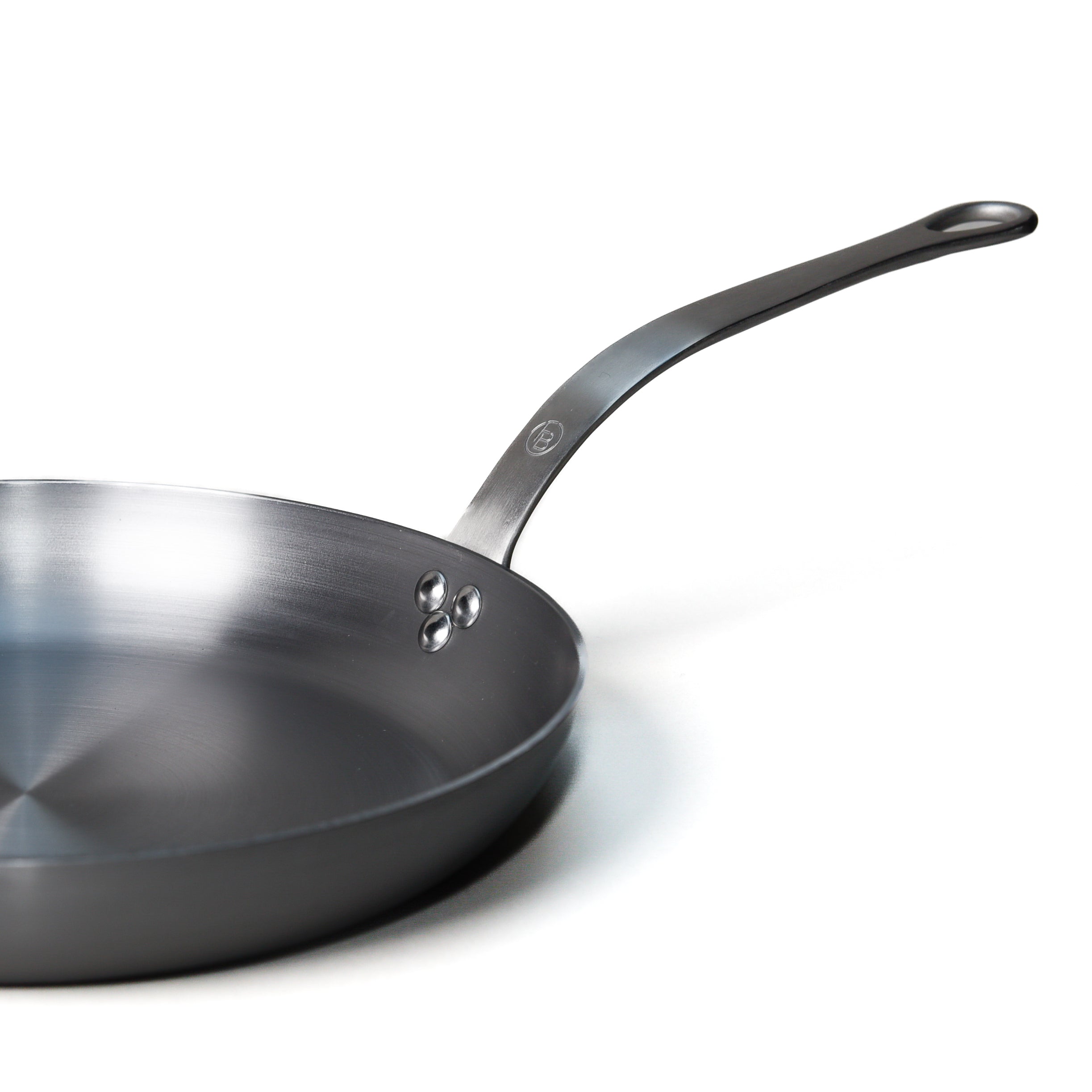


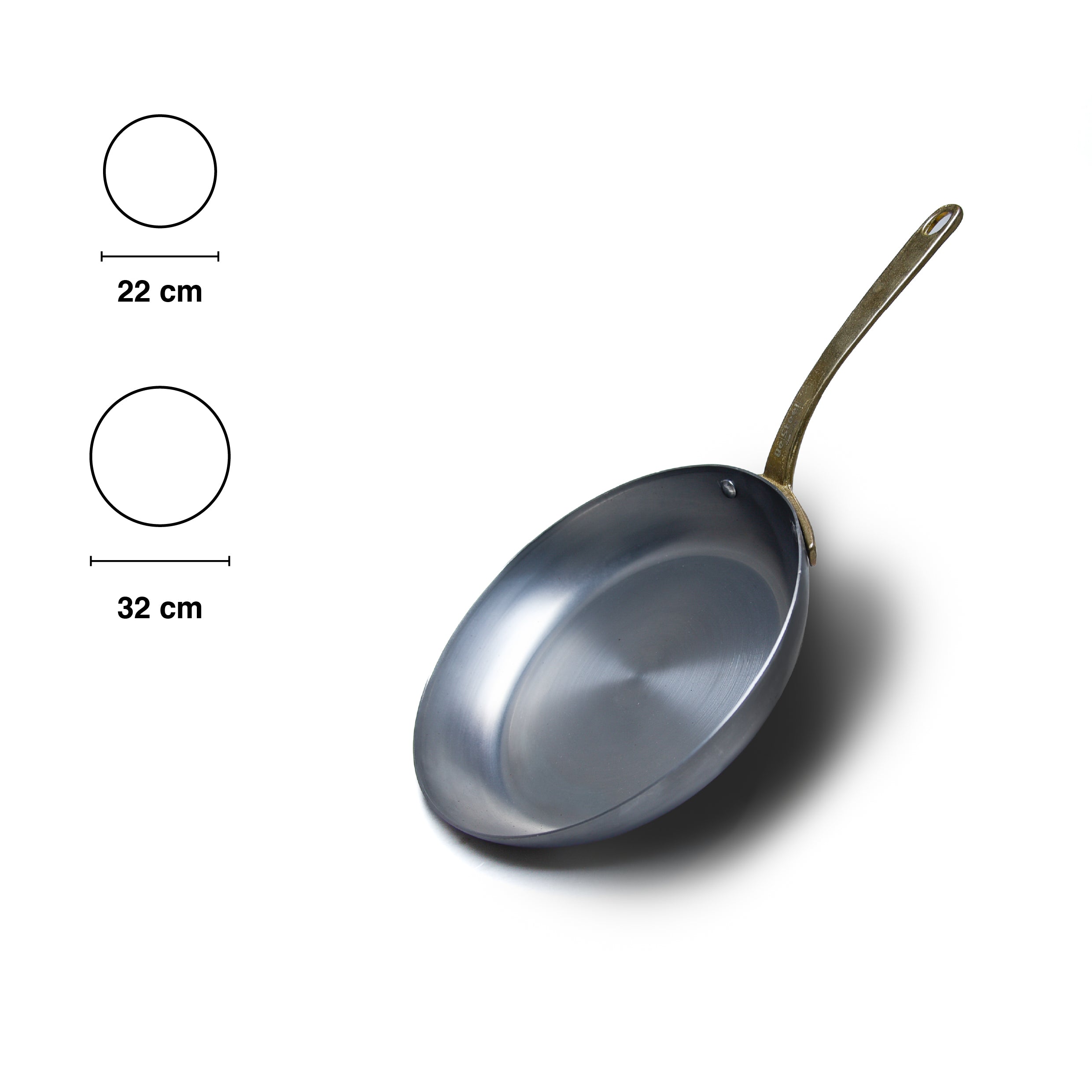
Scegli la tua linea
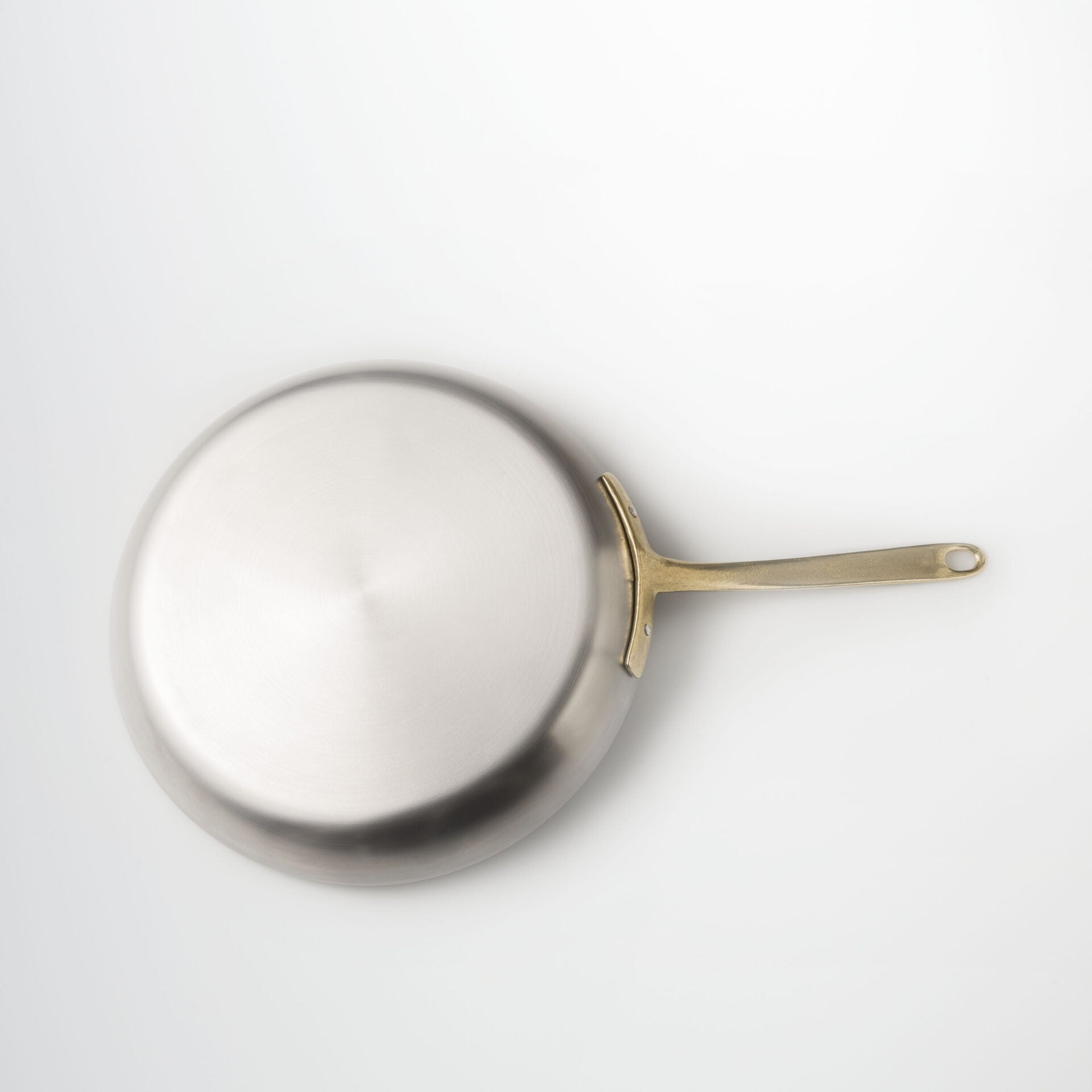
 NeroSteelNitrided iron: no rust, natural non-stick that grows with use. With a gold handle.Scopri →
 SeasonedSteelPre-treated DC04 iron: it starts with the patina already underway. Light and responsive, for cooks who keep moving.Scopri →
 BeSteel100% natural iron: you season it and it improves with every use. For those who love the ritual.Scopri →


Perché sceglierle
 Just iron, zero chemicalsNo PFOA, PTFE or coatings that flake into your food. Just metal.
 That restaurant-style searIt withstands temperatures non-stick can't: the Maillard reaction, meat like a chef's.
 Works on everything, induction includedGas, induction, ceramic glass, electric hob and oven.
 Built to last decadesA one-time purchase that improves with use. Italian since 1876, not something to replace every two years.


Primo utilizzo
Come si stagiona una padella in ferro
La stagionatura è il rituale con cui il ferro sviluppa la sua patina antiaderente naturale, una pellicola sottile che migliora a ogni cottura.
-
1
Lavaggio iniziale
Lava la padella con acqua calda e una goccia di sapone per togliere lo strato protettivo di fabbrica. Asciuga subito e perfettamente.
-
2
Velo d'olio
Versa un velo d'olio vegetale (girasole, vinaccioli o arachidi) e distribuiscilo con carta da cucina su tutta la superficie, interno e bordi.
-
3
Riscaldamento
Scalda la padella a fuoco medio-alto fino a leggera fumosità. Spegni e lascia raffreddare.
-
4
Ripetizione
Ripeti 2-3 volte: la superficie diventa progressivamente più scura. È la patina che si forma.
Manutenzione quotidiana
Come si pulisce e si mantiene
La cura di una padella in ferro è semplice, ma diversa da quella delle antiaderenti tradizionali. Pochi gesti ripetuti e la padella migliora invece di consumarsi.
Cosa fare
- Pulisci a caldo subito dopo la cottura, con acqua calda e spugna non abrasiva
- Per residui ostinati usa sale grosso e poca acqua
- Asciuga sempre subito e completamente
- Passa un velo d'olio sulla superficie tiepida prima di riporla
Cosa evitare
- Sapone aggressivo: toglie la patina
- Lavastoviglie
- Panni in acciaio o spugne abrasive dure
- Acqua o cibo lasciati dentro per ore

Pans with natural non-stick properties that improve over time

Iron pans from different lines: BeSteel, NeroSteel, and SeasonedSteel
Domande frequenti
Do iron pans rust?
The NeroSteel, in nitrided iron, resists rust. The BeSteel and SeasonedSteel are made of natural iron: they can oxidise if left wet, but simply drying them after washing and applying a thin layer of oil is enough. With basic care it's not an issue.
Can I use them on induction?
Yes. All our iron pans work on induction, gas, ceramic glass, electric hobs and in the oven.
How do I wash them?
Hot water and a sponge, without harsh detergent and without the dishwasher. Dry them right away: thirty seconds and they're ready for the next use.
Do I need to season them before use?
It depends on the line. The NeroSteel, nitrided, develops its natural non-stick quality simply by cooking, with no ritual. The SeasonedSteel arrives pre-treated and its patina builds up with use. The BeSteel is natural iron and needs seasoning the first time: we explain how in the guide.
Can I cook tomato or acidic foods in them?
Yes, once the pan has built up its patina. During the first few uses it's better to favour meat, vegetables and frying, which strengthen it.
How long do they last?
A lifetime, and they improve with use: the patina that forms as you cook makes them more and more non-stick. These are pans you pass down.
